Creating Tailored Items for Everyone:
How Digital Fabrication Opens Up the Possibilities of a Hyper-Diverse Society
6/3/26
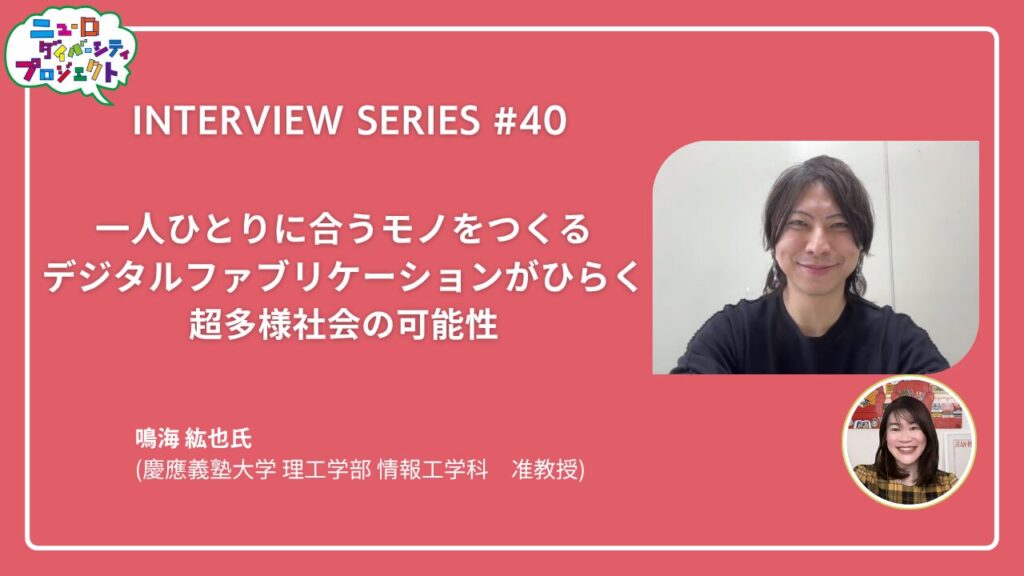
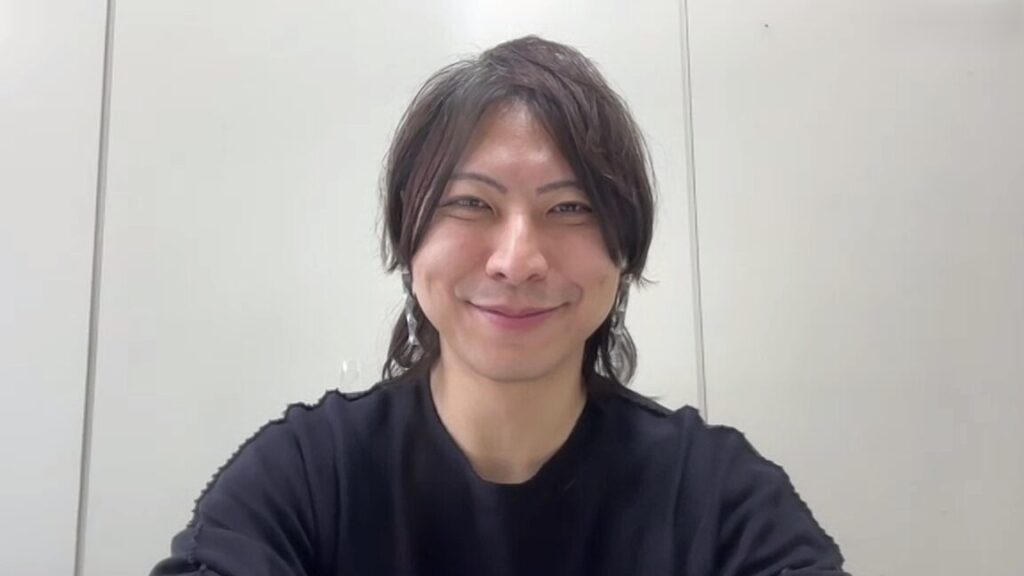
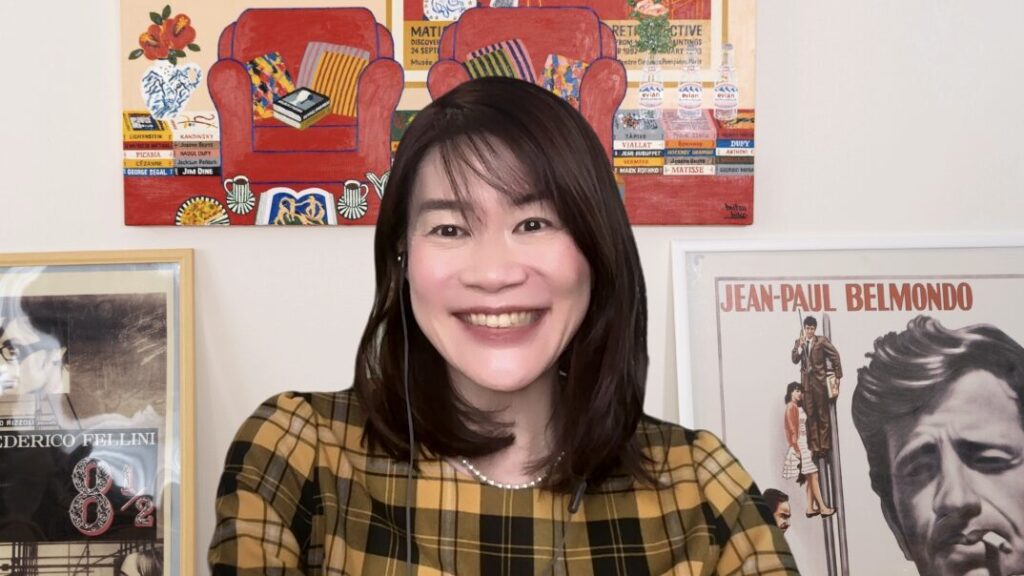
The Neurodiversity Project, hosted by B Lab, aims to realize a society where neurological diversity is respected, and everyone can confidently be themselves and thrive. In this interview series, we feature the innovative work of Dr. Koya Narumi (▲Picture 1▲), an Associate Professor in the Department of Information and Computer Science at Keio University’s Faculty of Science and Technology, who debuted his work at “The World in Our Minds” in 2025. Nanako Ishido (▲Picture 2▲), Director of B Lab, spoke with Dr. Narumi about the cutting edge of digital fabrication, such as inkjet 4D printing, where a heated sheet transforms into a 3D object all by itself, and its potential to help realize a neurodiverse society.
> Interview videos are also available!
A World-First Technology: Creating Any Shape from a Two-Dimensional Sheet
Ishido: “Today we have with us Dr. Narumi of Keio University, who was the first exhibitor at “The World in Our Minds” in 2025. Dr. Narumi is usually involved in very exciting research, and his original research has attracted a lot of attention. In this interview, we would like to talk with him about his research as well as the contents of his exhibit at “The World in Our Minds”. First of all, could you give us an overview of the contents of your exhibit and your research?”
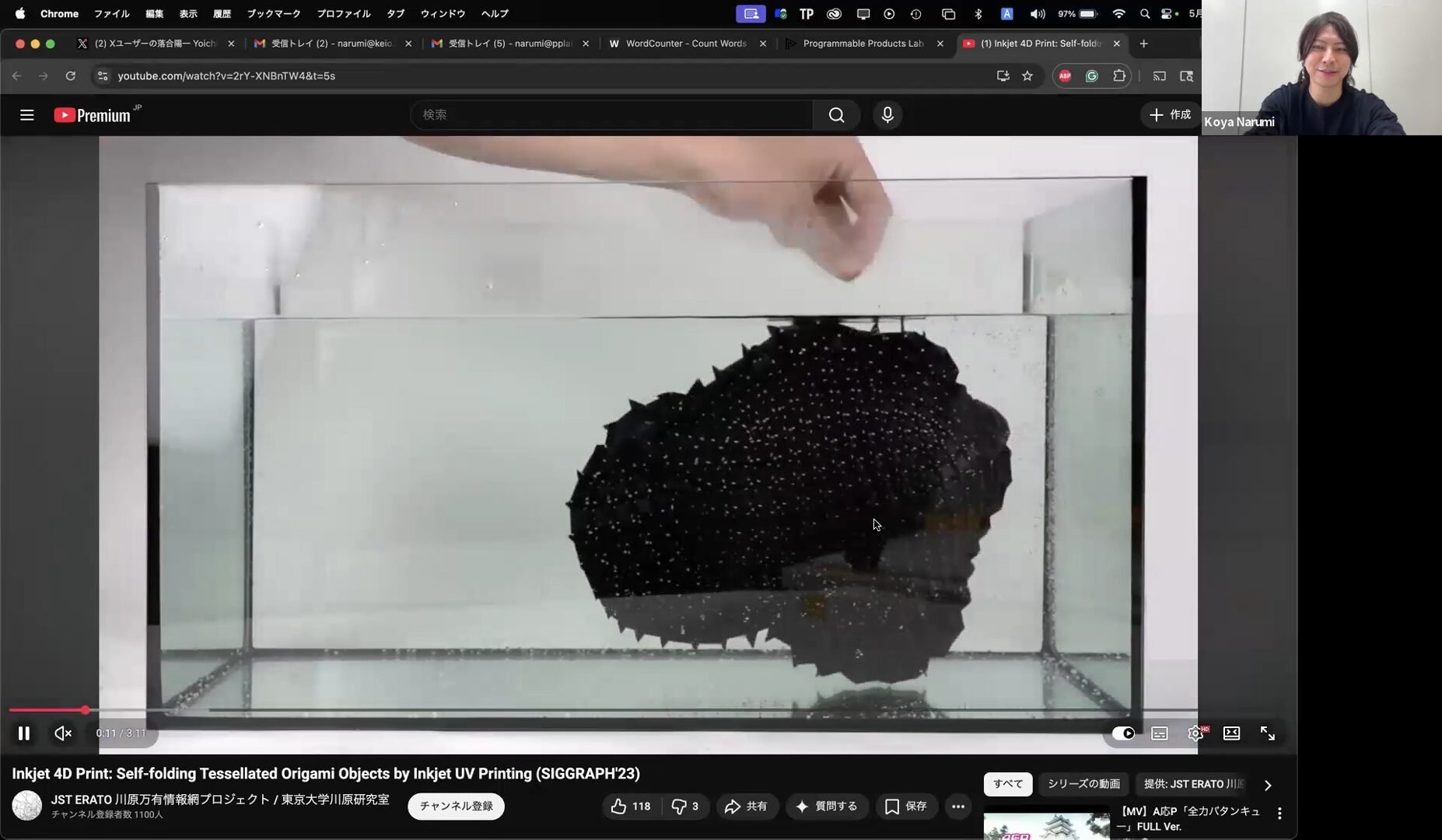
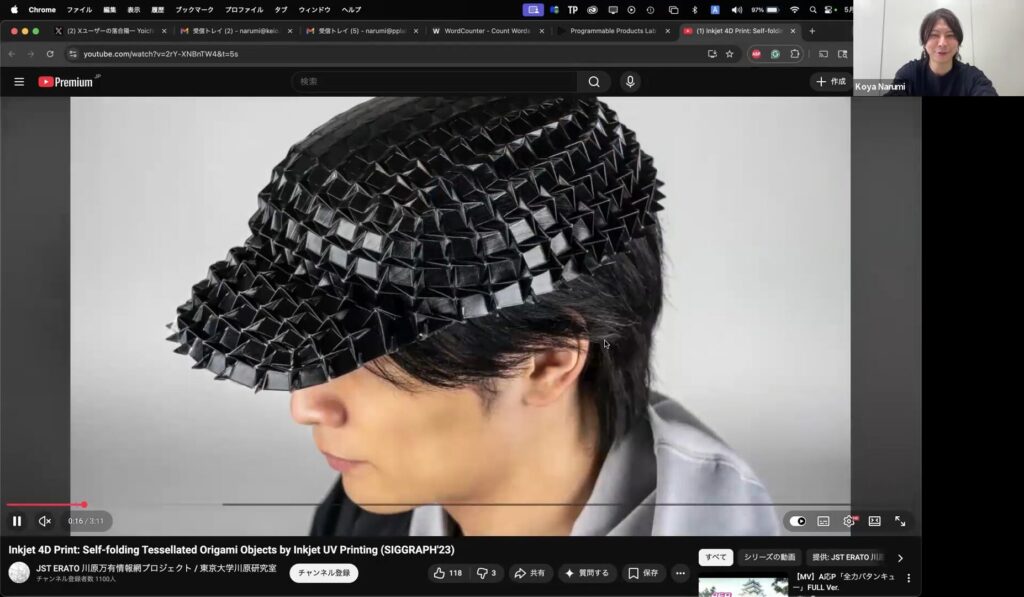
Narumi: “I am usually involved in research on ‘digital fabrication.’ Digital fabrication is a general term for a technology that uses digital machine tools such as 3D printers and laser cutters to create things based on digital data. In connection with this research, “The World in Our Minds” introduced a technology called “inkjet 4D printing.” This is a technology that automatically changes the shape of a thin sheet into a three-dimensional structure simply by heating it up. (▲Picture 3▲) (▲Picture 4▲) I will explain later how this technology is related to neurodiversity.
This research demonstrated for the first time in the world that any shape in this world can be made from a sheet printed in two dimensions. The advantage of inkjet 4D printing is that it can realize manufacturing in a short period of time, which would take a long time with 3D printing. It also produces almost no waste, which is often the case with 3D printing, and can create three-dimensional objects simply by printing and deforming. Another major advantage is that it can be handled in sheet form, so it takes up little space for storage and is easy to carry when moving.
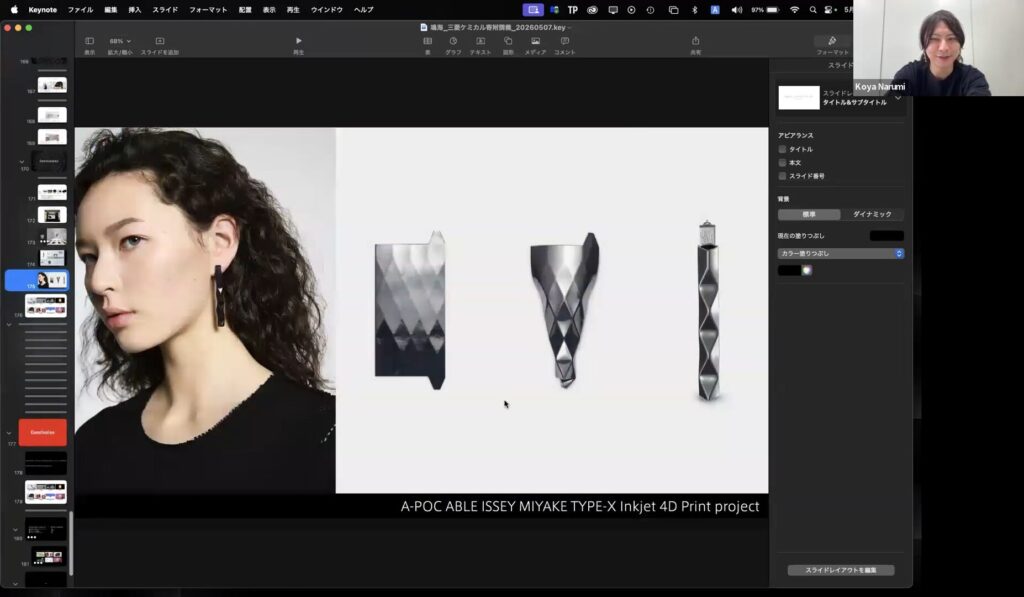
As one of the results of our research, we launched an accessory (pierced earrings) called “TYPE-X Inkjet 4D Print project” that utilizes this technology in December 2025 under the “A-POC ABLE ISSEY MIYAKE” brand of ISSEY MIYAKE CO., LTD. (▲Picture 5▲) I am wearing these earrings right now. I am very happy that something born in my laboratory is now available to so many people.
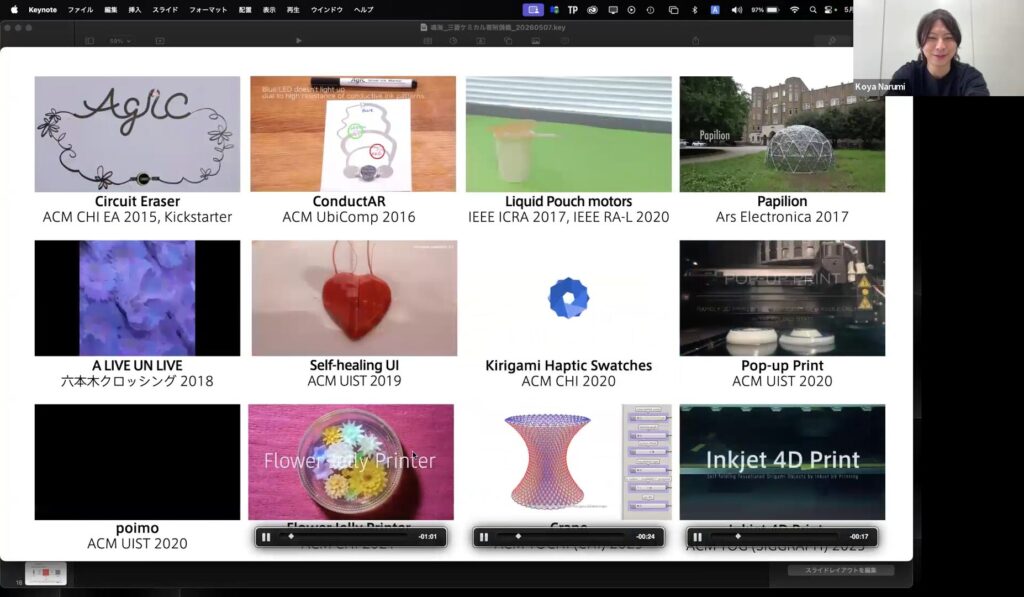
In addition, we are also conducting research on various other types of manufacturing, such as transforming structures like origami, making jelly in a new way, and an easy way to make a keyboard in your own unique shape. (▲Picture 6▲)”
An Interest in Manufacturing: Starting with an “Eraser” to Remove Ink from Conductive Pens
Ishido: “There is a sense in your research that you are anticipating the future, saying, ‘This is what the future will look like.’ Earlier, Dr. Narumi mentioned that he would like to talk later about how inkjet 4D printing technology is connected to neurodiversity. Looking back, when we asked you to exhibit at “The World in Our Minds,” you said, “We are not researching neurodiversity itself.”
Nevertheless, we asked you to exhibit because, in the course of our neurodiversity project, we had questions about the fact that many products in society and in the world are designed on the premise of people who are considered “average.” As a result, there are many people who find it difficult to live in the current society.
I believe that the ability to design artifacts, products, and even spaces themselves to suit each individual person could be one of the major solutions to such issues. I see great potential in your research in the sense that it will lead to the realization of a society in which more people can live their lives in their own way. Taking this perspective into account, could you tell us how you became interested in digital fabrication and what your background is?”
Narumi: “Of course, I have not been a fan of digital fabrication since I was a child. It all started with a pen that could write circuits. I wanted to make an eraser to erase the circuits I had written with that pen. With a pen and an eraser, you can easily create, modify, and re-create circuits. In fact, I made that “eraser” and obtained a patent for it. From that time on, I became interested in easy ways to make things, and I found myself making printers all the time for some reason. I still wonder how I got into this field.”
Ishido: “At “The World in Our Minds” in 2025, hats produced by inkjet 4D printing were also on display. In addition to accessories, fashion items such as hats will also be able to be made by oneself according to one’s individual body and preferences.”
Narumi: “That’s right. For example, in addition to our research on automatic origami folding, “A-POC ABLE ISSEY MIYAKE” makes clothes based on the results of our research; given a 3D model, we can make cloth that transforms into that 3D model. In general, clothes making involves mass production with several sizes available. This method, on the other hand, requires only a 3D model to be given, and thus has the potential to create individually optimized shapes.
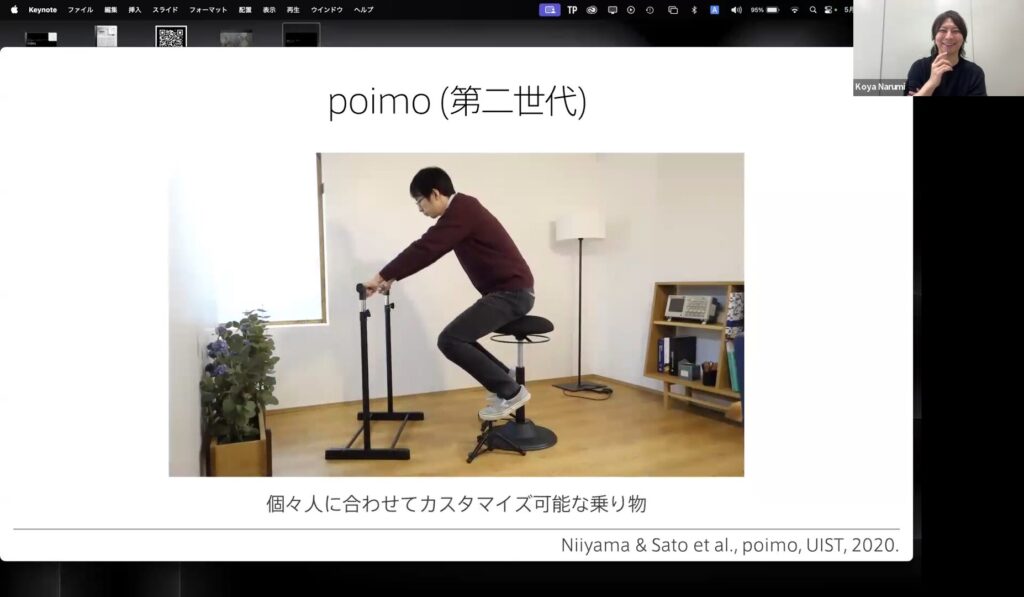
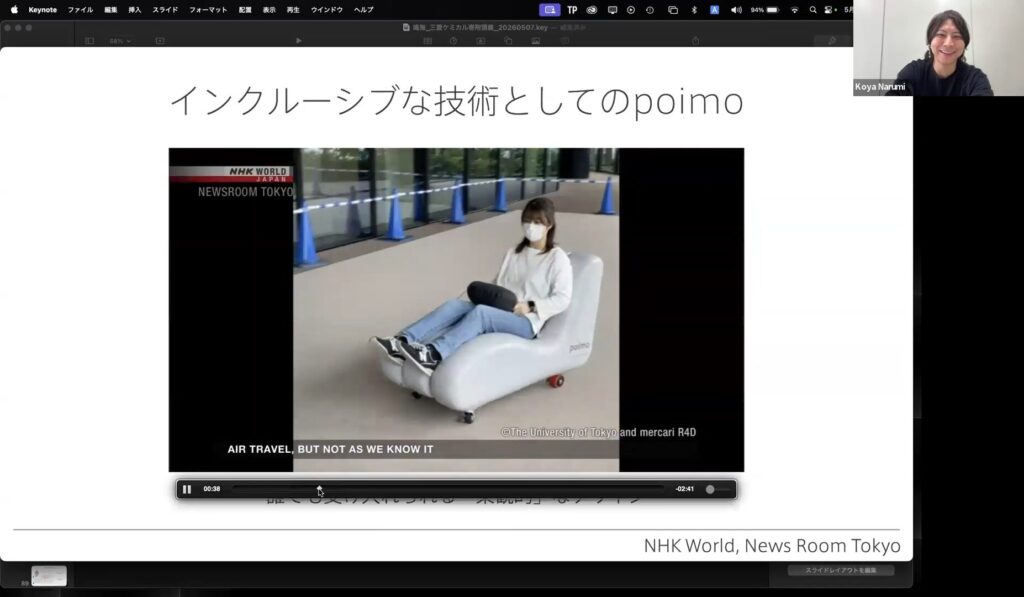
A similar concept, a vehicle called “poimo” is also being researched. This is a technology that enables the design of personal mobility vehicles suited to one’s physique and riding style, simply by taking pictures of one posing while driving or operating the desired vehicle. (▲Picture 7▲)
The structure is inflated by air pressure like a balloon, and can be deflated and folded to be carried around. This is a typical example of research in personalized manufacturing. Customizing a motorcycle or car is expensive. Also, in the case of motorcycles, some people are not tall enough to ride them. However, because poimo features an inflatable structure, it is relatively easy to make and can be shaped to fit each individual. (▲Picture 8▲)
“Taken together with these studies, I feel that digital fabrication may have a positive impact on diversity.”
Making Specialized Technology Once Limited to Experts – Accessible to Anyone with Basic Knowledge
Ishido: “To what extent is it possible to create individually optimized products with Dr. Narumi’s technology this time? As you mentioned earlier, I feel that the possibilities for creating products tailored to each individual are expanding. With the current technology, what areas and products would be possible to implement? Could you elaborate a bit more?”
Narumi: “We have not focused specifically and deeply on the direction of individual optimization, but with poimo, for example, we have had people who actually use wheelchairs come to us at exhibitions and say, ‘I want one.’ What people want from a wheelchair varies from person to person. Some people need a wheelchair to get around, while others simply want to relax. I think we can provide a range of wheelchairs to meet each person’s needs, such as a wheelchair that is easy to move around in and a wheelchair that is shaped for relaxation.
In our origami research, we have also worked to create clothing that is personalized for each individual. However, we have not applied it to diversity in a serious way so far. There is a possibility that we could do this if we wanted to, but I think we need to properly evaluate whether it would really be useful.”
Ishido: “In your research, Dr. Narumi, you express the idea of ‘creating a way of making.’ Until now, I think our basic way of being has been to choose and use something designed by a designer. However, as each of us becomes able to customize our own products, the scope of what it means to “design” and “create” itself may change. In light of such changes, how do you think the meaning of “designing” and “creating something” will change in the future? Please let us know.”
Narumi: “It is true that until now, design has tended to be thought of as a task performed by a person called a designer using specialized skills. If anyone can create something, it does not necessarily have to be beautiful, and it can be considered good as long as it solves the problem the person is facing. Originally, design was not always about creating something beautiful. If it can solve a person’s problem, it is also a design. In that sense, I think it is easier to work on one’s own unique problem.
Digital fabrication tends to be talked about in the context of “anyone can make it,” and there was a time in the 2010s when it was said there would be “a 3D printer in every home.” However, I don’t think it is that simple. Rather, I am now attracted to the idea of being able to handle, improve, and use in my own way a device that could only be used by a few people.
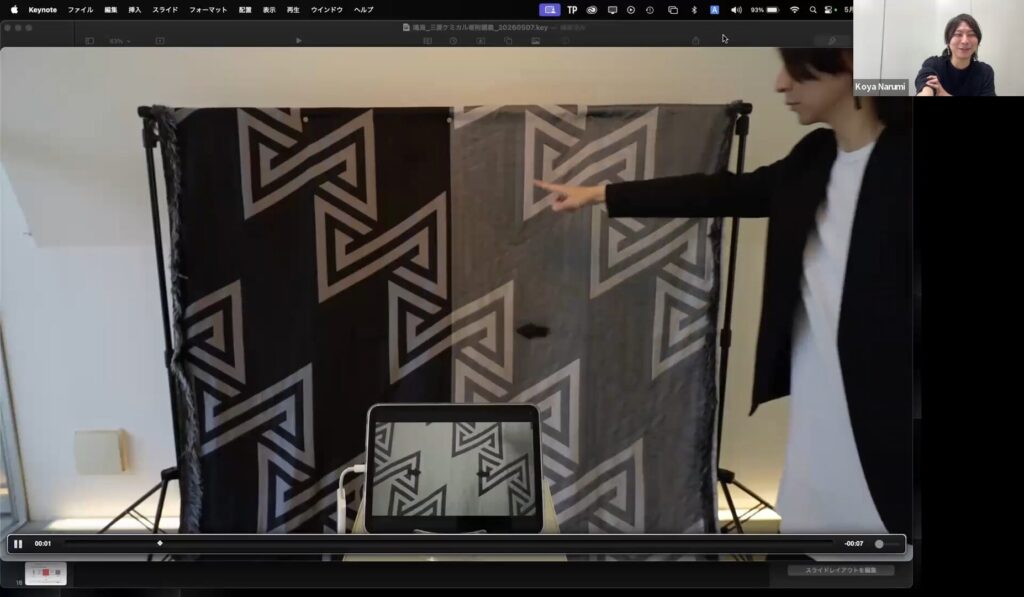
For example, there is a study we recently worked on. When folding fabrics with a folding machine, it used to be very difficult to design a folding pattern, and only specialized people could do it. Our goal was to make such fabrics work with a 3D printer. We handle fabrics where the pattern you see in the real world is different from the pattern you see through the camera. Using this technology, even an amateur like myself can tackle work in areas that, in the past, would not be allowed to be touched by amateurs. I think it is important to note that specialized high-level manufacturing and fabrication are moving down from the upstream to the midstream. (▲Picture 9▲)”
Ishido: “Although it’s not quite ‘everyone can make things,’ the barriers to manufacturing are steadily being lowered for those who are literate enough to use digital fabrication tools such as 3D printers and laser cutters.”
Narumi: “Personal fabrication, a world where ‘anyone can create,’ is something that many people have been striving for and working on. As a result, 3D printers have become quite popular. What I am thinking about now is to make it possible for people who are only familiar with 3D printers to handle devices that have been used only by a limited number of people. That is what I want to work on now.”
As 3D Printing Speeds Up, the Boundary with Displays Begins to Blur
Ishido: “I think that 3D printers and laser cutters have become widely used because of their versatility that can be utilized for various purposes. I understand that Dr. Narumi is aiming to make devices and technologies that were previously handled only by a few specialists and a limited number of people available to a wider audience. What kind of breakthroughs do you think are necessary to achieve this?”
Narumi: “When I worked with Associate Professor Yasuaki Kakehi of the Interfaculty Initiative in Information Studies and Graduate School of Interdisciplinary Information Studies at the University of Tokyo on a project for the Japan Science and Technology Agency (JST), we talked about how 3D printing would become indistinguishable from a display once it became ultra-high-speed. If it takes 10 minutes to make something, it is manufacturing, but if it takes only 1 second or 0.1 seconds, it is almost like animation. Therefore, the first important thing is speed.
Another important thing is to ‘return to the material.’ If the material used for the print has to be discarded to make the next new form, then it cannot function like a display. With a display, you can erase the screen. In the same way, I think it is important to have an element that can be erased or returned to the original material.”
Ishido: “In other words, it is possible to transform a single material into any desired shape as many times as you like, and to repeatedly create various products according to the purpose or use at any given time.”
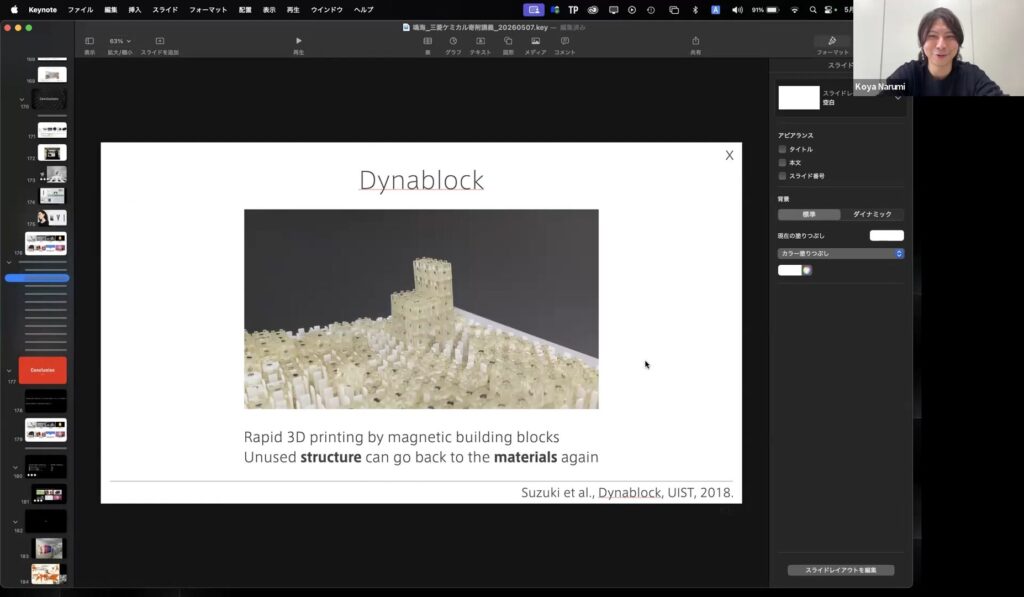
Narumi: “Yes, that’s right. It is not my research, but Dr. Kakehi at the University of Tokyo was working on ‘Dynablock’ around 2018. It involves pushing up magnetized blocks from underneath to create a structure. The interesting thing about this research is that it can be undone—it can return to being just the raw material again if necessary. (▲Picture 10▲)”
Ishido: “Dr. Narumi’s research, which you explained at the beginning, is about the ability to create various polyhedra and structures from a single piece of cloth or sheet. In the context of fashion, it means it is possible to create clothing and items of various shapes from a single piece of cloth, and if necessary, to return it to the state of a single piece of cloth and create something new again. That’s the kind of image you are talking about, right?”
Narumi: “That’s exactly the image.”
Ishido: “At the current stage of your research, Dr. Narumi, once a shape is created by applying heat, is it difficult to restore it to its original state afterwards?”
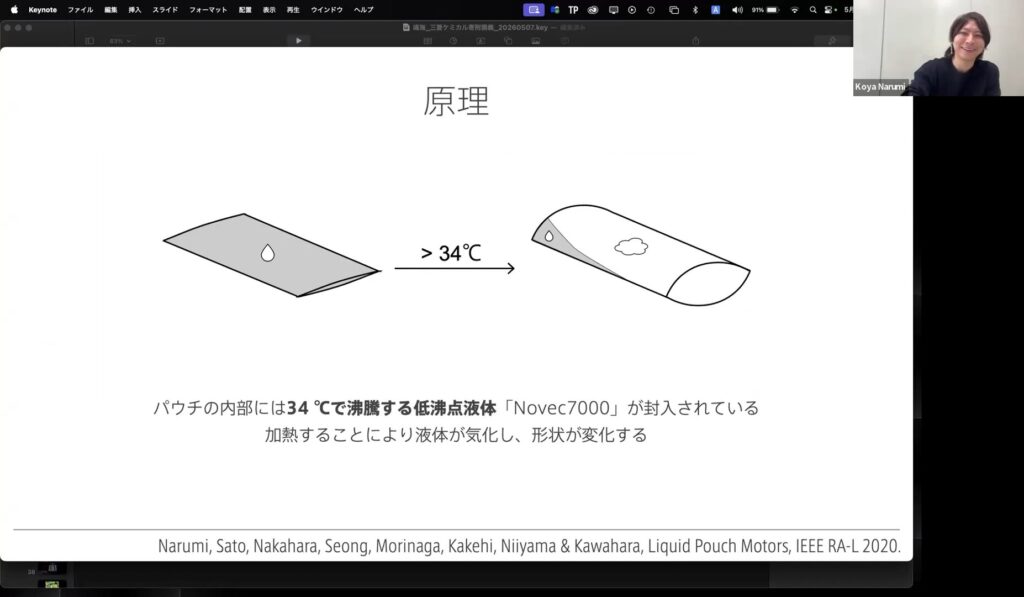
Narumi: “The one we exhibited at “The World in Our Minds” was a one-time process. However, we have been working on reversible research since 2017. We exhibited “Liquid Pouch Motors,” which moves by itself when a thin sheet is placed on top of a cup of hot water, at an event by Ars Electronica, an Austrian institution for culture, art, and advanced technology. When a low-boiling liquid that boils at 34 degrees Celsius is placed in a soy sauce pouch-like container and heated, it expands and begins to move. By controlling how it is heated—such as dipping it into hot water—it can expand and then return to its original shape. This is a technology that allows for repeatable, reversible movement, and I think there are many possible ways to apply this “back-and-forth” technology. (▲Picture 11▲)”
Aiming for Autonomously Coexistent Technology: Objects Dynamically Shifting Shapes and Functions Before Being Discarded
Ishido: “The sub-theme of our “The World in Our Minds” is “Super Diversity.” We are working toward a society in which each individual can choose what is best suited to him or her, rather than uniformly accepting what someone else has made. From this perspective, the fact that a new option of “making something suitable for oneself by oneself” is being created in itself makes me feel a very bright future ahead.
When and in what form will the technology you are researching be implemented in society? Also, what kind of future do you envision for yourself?”
Narumi: “I wonder when…. To be honest, it is difficult to say at this point, but if it is an implementation method like the Dynablock mentioned earlier, there are some things that need to be cleared, such as how small it can be made and whether it can be manufactured industrially, but I think it will be possible in about 10 years.
When I think about social implementation, what I consider a good idea is a balloon-like structure. I have been involved in a number of researches to create shapes by inflating objects like balloons. The poimo mentioned earlier is one such example. The good thing is that it is made flat and inflated. If we can further speed up that mechanism, we may be able to make something like a display. However, whether we can change the pattern or not is a difficult challenge. Still, I think we can devise some way to do so.”
Ishido: “For example, in the future, room furniture, such as sofas and desks, will be made of such inflatable or deformable materials, and will it be possible to change their shapes as needed and return them to a compact state when not in use? Furthermore, I wonder if it is possible to imagine a world in which we can easily change the layout of a room or the furniture itself every month. Could we think of such a future as lying ahead of your research, Dr. Narumi? Or is that a bit of an exaggeration?”
Narumi: “It is not an exaggeration. When I was working for the Japan Science and Technology Agency (JST), I imagined a society in which objects change form and function at high speed, so that the relationship is not simply one of ‘humans using’ and ‘objects being used,’ but one in which objects also change form and function on their own as needed. (▲Picture 12▲)
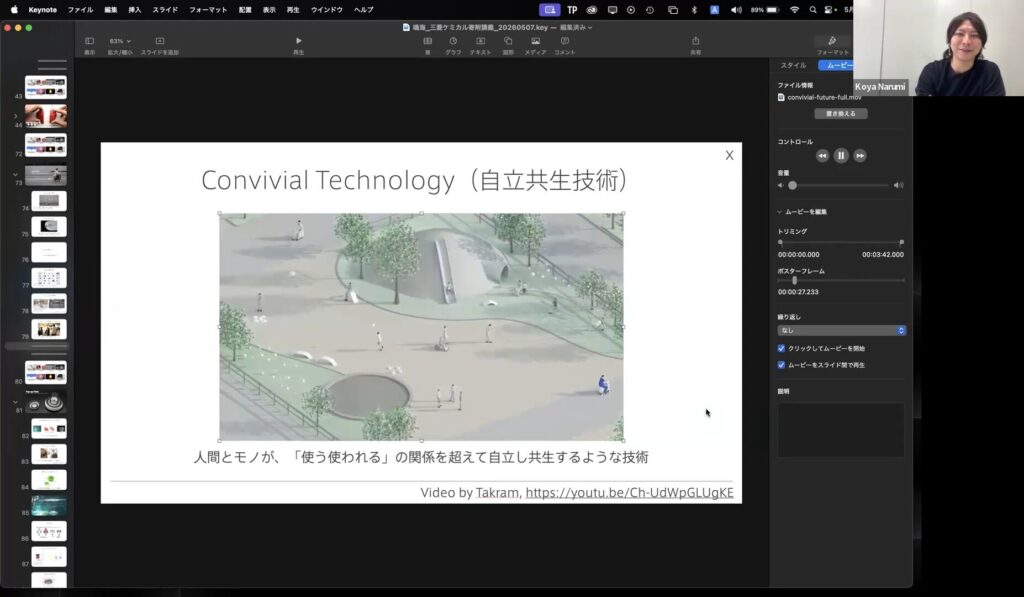
For example, we thought it would be nice if we could change the form or function of the objects themselves before they are discarded—for instance, if they need a power source, they can move to a place with a power source on their own. I feel that some of the visions I had at that time could be implemented within 10 years or so.”
Ishido: “Earlier, you mentioned that your research on digital fabrication is about the ‘democratization of making,’ but at the same time, you are not necessarily aiming for every single person to become a maker. On the other hand, I am also concerned that in such a world, a new gap may be created between those who can make things themselves and those who cannot. We are aiming for a ‘super-diverse’ society, and in order to achieve this, I feel that it is important not only to provide a variety of options, but also to increase the number of people who can participate on the ‘making’ side of the equation. What are your thoughts on this point?”
Narumi: “It’s very important. In fact, thanks to the fact that, for example, ‘FabCafe’ locations throughout Japan teach people how to use 3D printers and laser cutters, more and more people are becoming interested in them. Being able to use a 3D printer also gives you the chance to work on more advanced equipment. I think the technology, efforts, and direction to increase the number of people who can make things are also crucial skills and knowledge.
However, in research along that direction, there are already a variety of researchers and people working on it. You can buy an FDM 3D printer for about 30,000 yen, so you could say it is research that can be done for 30,000 yen. That is why many people are already working on it without me.
I believe that what I need to do is to lay the groundwork so that anyone can use expensive equipment, such as those costing 10 or 30 million yen. I am proud to say that this is something the average researcher cannot easily do. I am interested in making technology that is currently available only to a very limited number of people accessible to those who have just ‘a little knowledge’ about it.”
“Manufacturing” How Things Are Made: Updating the Essentials of Clothing, Food, and Housing
Ishido: “Indeed, I think it is truly wonderful that someone like you, Dr. Narumi, who has both conceptual and technical skills, is opening up such a new world. Also, when I hear that you are aiming to make devices that cost tens of millions of yen available to as many people as possible, I feel that you are creating entirely new possibilities, where people will say, ‘We’ve never seen such an idea before,’ or ‘There has never been such a manufacturing process before.’ I think it goes along with what you said earlier about ‘creating a way of making,’ but it seems to me that you are ‘creating the way of making itself’ rather than just creating a finished product. Where do these ideas come from? Also, what specific areas would you like to challenge yourself in the future?”
Narumi: “There are so many different ways in which ideas are born. For example, when I started researching the idea of making something folded up because it takes too much time to make a large object, I happened to learn that beetles fold up their horns when they are pupae. I thought it would be much quicker if I could make things in a folded-up state from the beginning. (▲Picture 13▲)
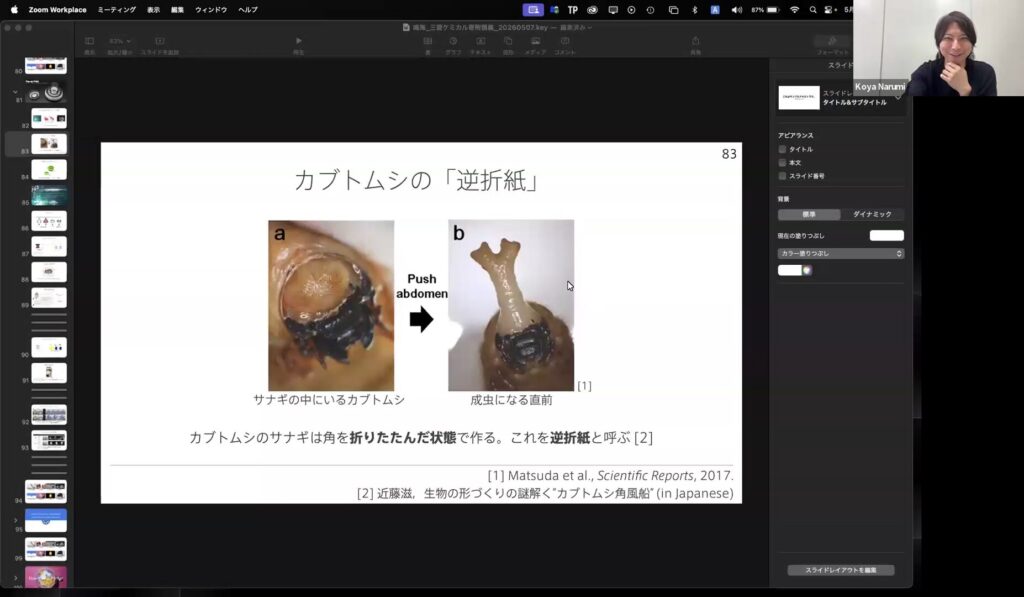
I was working on a research project to create a device that can be broken once and fixed again and again, and it all started when I visited Carnegie Mellon University with my advisor at the time, who said, ‘There are some strange materials, let’s go take a look.’ I think it is better to gain insight into as wide a range of fields as possible, not just the ones you know. There were many projects exhibited at ‘The World in Our Minds’ that I had little to do with, but I think it is very important to see such research.
In terms of the direction and areas I would like to work on in the future, I want to update all aspects of clothing, housing, and food. In clothing, I will push our current efforts to create products further. For example, there are many structures that automatically deform, but that depends on scale. Large objects can be distorted by their own weight, and there is still room for more research. That is what I would like to push forward. There is little sense of diversity in this specific topic, but I want to focus on it.
In housing, I would like to review the structure of a house and research, for example, a house that can be built in 10 seconds, or the technology to achieve that. Toyotomi Hideyoshi built the ‘Overnight Castle,’ and I am wondering if it is possible to truly build an ‘Overnight Castle’ today. I am also interested in the Ushiku Daibutsu and wonder if it is possible to build something of that scale in a single day. In this day and age, it is easy to make something small quickly. I am currently thinking about the methods and technologies required to build something like the Ushiku Daibutsu in just one day.
In food, I would like to study food printing in a little more depth. Currently, food printing is basically a technology to control appearance and shape. I have worked with Dentsu and others on research such as whether the shape of sushi can be printed beautifully. However, the research to date has not focused enough on taste, even though the theme is food. In this field, Ms. Mako Miyatake, who conducted research on cooking and digital fabrication technology at the University of Tokyo’s graduate school, even went so far as to obtain a licensed chef’s credential because of her belief that ‘I don’t want to make something that doesn’t taste good.’ I want to create something that has the true deliciousness and flavor that only food printing can provide.”
Ishido: “What exactly do you mean? I could easily picture what you meant by ‘clothing’ and ‘housing’ from what you just said, but when it comes to ‘food,’ what exactly do you have in mind?”
Narumi: “I don’t completely understand it myself yet; after all, current research is still focused mostly on the form and shape. For example, discussions are centered around ideas like, ‘If we can create a structure that looks exactly like beef, it should taste just as delicious as beef.’ We are still thinking about how to approach it, but food is definitely an area I am very interested in.”
Ishido: “It is indeed a fascinating area. When it comes to eating, some people find it difficult to eat the same things or in the same way as others due to sensory sensitivities. For those individuals, the ability to easily create food that is both delicious and tailored to their specific needs represents a wonderful possibility. Even from the perspective of neurodiversity, this is a highly interesting direction for the future.”
Narumi: “A long time ago, I had a discussion with Dr. Kakehi on the subject of food. Some of the ideas we came up with at that time have not been realized yet. For example, a grandfather, a mother, and a child would all take the same dish from a single pot, but when they dipped it into their own sauce, the dish would become very soft and easy to chew or swallow for the grandfather, and for the child, it would remove any bitter tastes. I think it has been about 10 years since we first talked about how we wanted to research that kind of technology—where you start with the exact same ingredients, but through a personal optimization step like dipping it in a sauce, it transforms into a meal perfectly suited for each individual.”
Ishido: “That is also very unique. For example, for people who have to cut back on salt due to their health conditions, if they can perceive a strong salty taste through some kind of stimulation even though the actual sodium content is low, they might be able to enjoy foods again that they had previously given up on. Also, for those who have sensory sensitivities and find the rough texture of certain ingredients uncomfortable, if we can change just the sensation when it touches the tongue, I believe new possibilities will open up. When you think about it, it is a very exciting future.
Originally, this ‘The World in Our Minds’ event started as part of a larger initiative called ‘An Interesting Future Ahead,’ for which I serve as the executive committee chair. While ‘The World in Our Minds’ depicts this new world of diversity, we actually invited Professor Yoshihiro Kawahara of the University of Tokyo to introduce ‘poimo’—which you mentioned earlier—during our first and second years.
In this context, we have actually been actively incorporating the theme of ‘food’ since our second year. Every year, nearly 30,000 visitors attend ‘An Interesting Future Ahead.’ Therefore, we are developing projects based on the concept of ‘Let’s experience the food of tomorrow,’ providing food experiences that visitors can actually touch, taste, and engage with. It might be the way food will be made in the future, new ingredients, or even the robots that will serve them. We are continuously challenging ourselves to envision the future of ‘an interesting food experience a little further ahead,’ encompassing not only the food itself but all the elements surrounding it. I feel this is an area that has a strong affinity with your research, Dr. Narumi, and I truly hope you will join us in these endeavors in the future.”
Narumi: “Regarding future food and food experiences, several researchers already come to mind who are conducting highly unique work—for example, utilizing electrical stimulation or incorporating multimodal scents. I will continue to work on future food research from my own distinct perspective and theme, entirely separate from their approaches, so that I will be ready to introduce it to you.”
Ishido: “Future fashion is another theme we would like to tackle as well.”
Narumi: “Fashion has actually always been my favorite area of interest. Ever since I was a junior high school student, I used to buy the Paris Collection lookbooks and completely memorize every single look. Although I only recently began researching digital fabrication, I have always been so deeply knowledgeable and confident about fashion and clothing—to the point where people around me were slightly intimidated by my obsession—and I feel that passion has come full circle to connect with my current research.”
Looking at Things Through a Creative Lens: Asking Yourself “Could I Make This?” and “Could I Replicate It?”
Ishido: Ishido: “Listening to you, I felt that you originally had a deep interest in fashion, and that the fusion of this passion with digital fabrication research naturally led to your current work. On the other hand, as you mentioned earlier, even if someone learns the fact that a beetle’s horns are folded and stored inside a pupa, it is usually quite difficult to come up with the idea of applying that directly to materials and manufacturing. Where do your ideas come from, Dr. Narumi? When you encounter a new material or a phenomenon in a completely different field, you successfully connect it to a new way of making things. If you have any kind of ‘leap of imagination’ or a specific ‘knack for connecting different fields,’ we would love to hear about it.”
Narumi: “Putting aside the question of whether I am ‘flying’ with my ideas, I think it is crucial to always look at something from the perspective of ‘could I create this myself?’ or ‘how would I reproduce this?’ when you see it. For example, it is very easy to go to an event like ‘The World in Our Minds’ as a mere visitor and become a critic, saying whether it was good or bad. In my case, I am the type of person who focuses on the sheer effort, time, and logistical trouble required to actually pull it off—thinking things like, ‘How many people did they have to coordinate with to implement this event?’ or ‘How did they handle the outsourcing for this poster?’ I find myself deeply moved by reconstructing that hidden labor.
So, when I see something like the Ushiku Daibutsu, I immediately think, ‘I wonder exactly how they built that.’ Whether it is an ancient pyramid or a modern industrial product displayed at an exhibition, if I can realistically map out and imagine the sheer volume of effort it would take to reproduce it in my own brain, that’s exactly where my ideas begin to expand, asking, ‘What unique element could I add to that?'”
Ishido: “Dr. Narumi, you exhibited at ‘The World in Our Minds’ for the first time in 2025. Among the feedback you shared after the event, there is one particular comment that left a lasting impression on me. You said, ‘I thought about it from every angle, but I realized I could never produce an event like this myself, so I admit defeat.’ It made me realize that when you look at exhibitions and events, you really don’t just enjoy them as a spectator; you are constantly analyzing them from the perspective of ‘Could I create this?’ or ‘Could I reproduce this?'”
Narumi: “That’s exactly my thought process. I have a bit of a ‘warrior race’ mentality when it comes to creating, so I just can’t help looking at things that way (laughs).”
Ishido: “Organizing ‘The World in Our Minds’ truly requires the cooperation of so many people and an enormous amount of effort. That is why I was so deeply moved and happy that you recognized and understood that hidden struggle, and chose to share those words with us.”
Narumi: “It is crucial to be the one who is making things, not the critic, and to always be on the ‘making side’ of everything. From that perspective, perhaps it is truly a good thing that ‘everyone can become a maker’ through digital fabrication. It simply makes it much easier for people to express themselves.”
Ishido: “Through our neurodiversity initiatives, we are not aiming to solely save specific individuals. Operating on the premise of brain and neural diversity, our goal is to realize a society in which each and every individual can unlock their own strengths in their own unique way. Our approach to achieving this involves utilizing technology to extend physical and cognitive functions, as well as thoroughly redesigning the environment itself. From the perspective of environmental redesign, we believe it is important to review the systems and rules that currently restrict the activities of diverse groups of people. Furthermore, we are looking at designing entirely new ways of living, learning, working, and coexisting that break away from conventional norms—such as utilizing metaverse spaces to attend hospitals and schools, or having avatar robots commute to work in place of oneself. We are working toward a society in which everyone can play an active role in their own way, a vision that can be realized precisely because technological and social changes are accelerating now.
You could say that ‘The World in Our Minds’ is a gathering of people who are actively creating something directly related to this vision, or who are makers themselves. Based on your own research and efforts to date, Dr. Narumi, I would love to ask what you think is necessary in the future to truly realize such a neurodiverse society. I hope to receive your insights and advice on what kind of elements would make things better, or in what specific direction we should be moving forward.”
Narumi: “I can’t think of a definitive ‘grand challenge’ type of answer right now. However, I also give lectures on visualization and VR at the university. During a lecture for second-year students, I came up with a technology that could potentially address color vision deficiencies, and I told them, ‘If we dive deeper into this, we could write a proper research paper.’ There are many different ideas that spark in this way, and I feel that all of them ultimately connect to neurodiversity. Still, I don’t see a single grand challenge answer just yet.”
Ishido: “I feel that in many cases, discrepancies in communication lead to social difficulties and a sense of hardship in daily life. For example, some individuals on the autism spectrum may have strong preferences, tend to express their thoughts very directly, or find it challenging to grasp the underlying intent behind ambiguous expressions. Of course, this in itself is neither a good nor a bad thing, but such differences in cognition and communication can sometimes cause gaps in mutual understanding. We are actively working on technologies that engage the human senses in order to reduce these communication discrepancies, even if only a little. However, while a variety of technologies are constantly emerging, we have yet to encounter something that makes us think, ‘This is the one.’ The theme of communication is an incredibly broad area, but within it, are there any specific themes that interest you personally, Dr. Narumi? Or if you have any ideas like ‘it would be fascinating to have this kind of technology’ or ‘this kind of approach might be possible,’ we would love to hear them.”
Narumi: “What I feel from what you just said is that most of the problems in society boil down to interpersonal relationships. For example, regarding daily research activities, I feel that the ultimate question is whether or not you can truly enjoy working in that laboratory. While it is certainly important whether the lab you are assigned to or choose matches your specific research theme, I think it is equally or even more important whether you have healthy human relations and can genuinely enjoy your research activities. When discord arises in a small, closed community like a laboratory, if both parties begin to keep their distance, they lose the opportunity to reconcile, and the distance tends to widen even further—a downward spiral in the wrong direction. Even if a person has a certain mindset or mental state that needs improvement, if you bluntly confront them about it, things will likely only head in a worse direction. I haven’t been able to come up with a ‘technology to reverse’ the flow of such deteriorating relationships just yet. In other words, it is a fascinating research topic. I would frankly love to have that kind of technology myself. And that means, for me, it’s something I definitely want to research.”
Ishido: “Perhaps just visualizing that a relationship is heading in the wrong direction, or that communication is beginning to slip apart, could give people a meaningful reason to pause. It might even lead to some kind of behavioral change, such as helping them notice the words and actions they had been doing unconsciously until then, and prompting them to change them with intent. I believe that communication is deeply and closely intertwined with human relationships, whether it is in the realm of fashion or food. That is why I felt there is a real possibility to find ‘something’ within the areas of fashion and food that can steer human relationships into a much better, positive spiral.
For example, in the area of food, I have heard that at sushi restaurants, the exact distance between the chef and the customer is meticulously calculated so that the space naturally facilitates smooth communication and dialogue. Thinking that this, too, represents a form of ‘food design’ to foster human connection makes it truly intriguing. I sincerely hope you will explore such dimensions with us. Finally, I would like to wrap up today’s interview by asking you to share a final word on your aspirations for the future.”
Narumi: “We wear shoes and clothes as part of our daily lives. I want to cast our eyes across these various everyday domains and conceptualize new forms of digital fabrication tailored to each one. While 3D printers have become quite popular and widespread, I want to take on the challenge of digital fabrication in a variety of fields—not as a passing fad, but with a much clearer goal and a well-defined worldview in mind.”
Ishido: “When I listen to you speak about your research, Dr. Narumi, I can genuinely picture a bright and hopeful future, which makes this incredibly exciting. To ensure that as many people as possible become aware of your incredible research results, I hope we can be of great help from an outreach perspective through the activities of B Lab, including ‘The World in Our Minds.’ Thank you so very much for your time today.”