Aiming for a Dementia-Free Society through “Conversations that Last Aiming for a Dementia-Free Society
9/25/25
The human brain and nervous system are highly diverse, and everyone has their own unique characteristics. B Lab is promoting the Neurodiversity Project, which aims to realize a society where everyone can demonstrate their potential by turning these individual characteristics into strengths. The latest research and initiatives from companies, universities, and research institutions are introduced through the exhibition “Everyone’s Brain World.” This time, Nanako Ishido (▲Picture 18▲), Director of B Lab and promoter of the “Everyone’s Brain World” exhibition, spoke with Mihoko Otake (▲Picture 1▲) of the Cognitive Behavioral Assistive Technology Team at RIKEN. Dr. Otake is working toward a dementia-free society through a three-way approach—physiological, cognitive, and social—and she discussed the exhibition content and her latest research findings.
<MEMBER>
Mihoko Otake, Ph.D.
Team Director (Team Leader at the time of the interview)
Cognitive Behavioral Assistive Technology Team
RIKEN
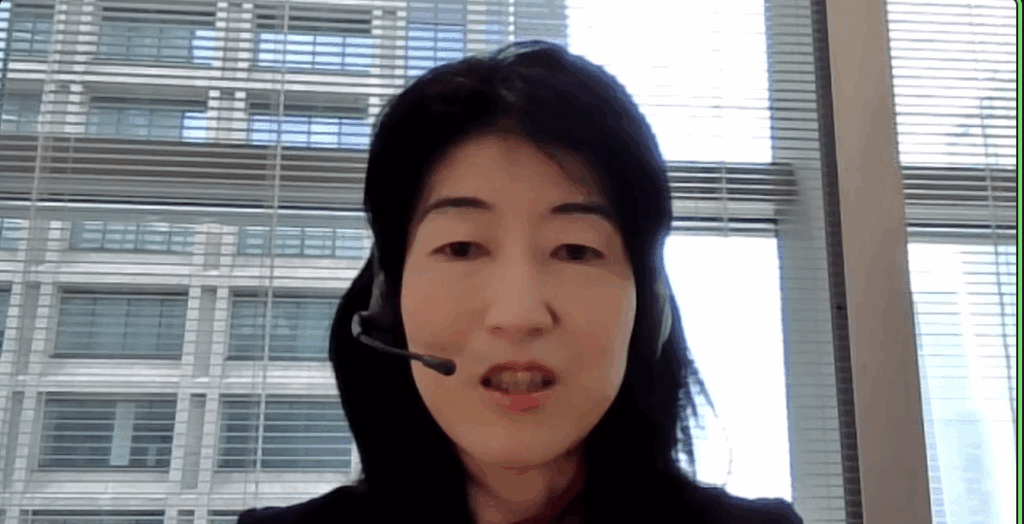
Mihoko Otake, Ph.D. Team Leader Cognitive Behavioral Assistive Technology Team RIKEN Center for Advanced Intelligence Project (AIP)▲
> Interview videos are also available!
Technology to intervene in cognitive functions necessary for dementia prevention and
Research on technology to detect cognitive functions
Ishido: Mr. Otake, you are working on the realization of a dementia-free society through “Conversations that Last Longer in the Brain. Could you tell us about your recent research at RIKEN and the future direction of your research?
Dr. Otake: I serve as the Team Director of the Cognitive Behavioral Assistive Technology Team at the RIKEN Center for Advanced Intelligence Project (AIP). At the same time, I hold the positions of Representative Director and Director of the NPO Honobono Research Institute, and I am also a Visiting Professor at Tokyo University of Agriculture and Technology. My specialties include robotics, artificial intelligence, and human informatics, but I primarily focus on research addressing dementia from an informatics perspective. At the end of 2024, I published a book titled Conversations That Keep the Brain Healthy, which directly explores themes related to neurodiversity.
◆Book, “Conversations That Keep the Brain Healthy,” https://www.amazon.co.jp/dp/4863102895/
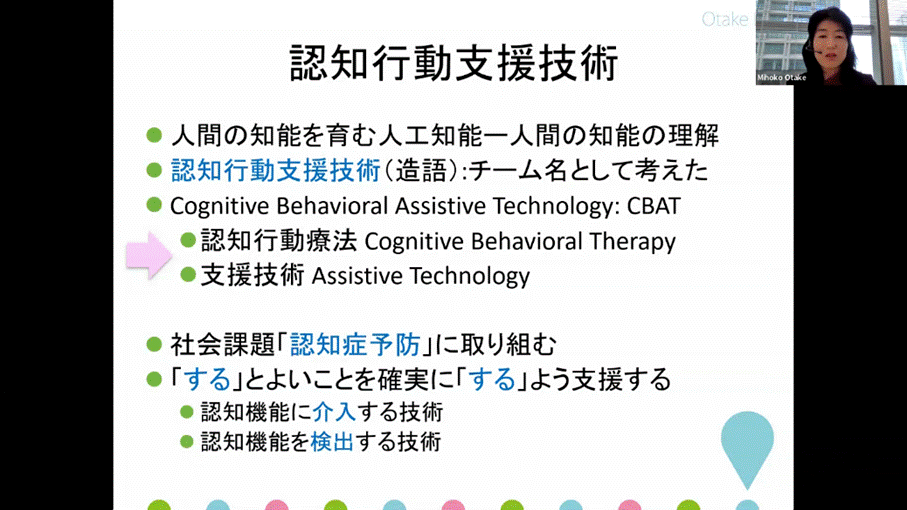
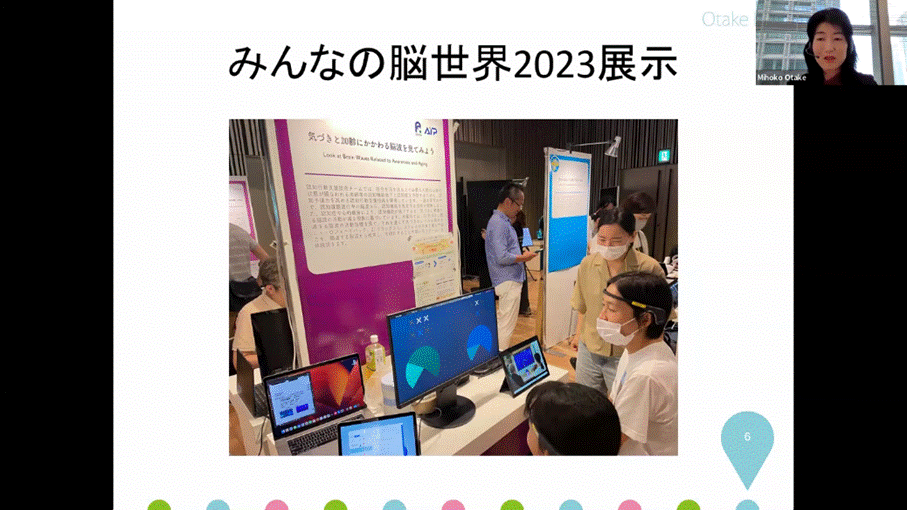
The Cognitive Behavioral Assistive Technology team is mainly working on dementia prevention. There are two main technologies needed for this: one is technology to intervene in cognitive functions, and the other is technology to detect cognitive functions. Today, I would like to talk mainly about intervention technology, but what we exhibited at “Brain World for Everyone” was detection technology. First, let me introduce the technology to detect cognitive functions. (▲Picture 2▲)
There are many different ways to detect cognitive function. We are working on a research project in which we design a cognitive task, measure what kind of brain waves are emitted while working on that task, and use machine learning to determine if cognitive function is declining. As part of this research, at the “Brain World for Everyone” exhibit, we displayed a game in which participants were asked to work on the task of “relaxing. Many children participated in the game, which was simply a competition to see who could relax more. The demonstration was to determine if the ability to relax and consciously control one’s state of mind is decreasing. (▲Picture 3▲)
For example, consider the situation of being unable to remember various things. When you remember, you have to be conscious to a certain extent, but if you cannot control your consciousness well, you will not be able to remember what you can remember. The reason why we forget where we put things is because we are not very conscious when we suddenly put things down, and our brain does not keep a record of where we put things down. When you actually connect and look around for the place where you were conscious, you often find that you put it somewhere in between where you were conscious, i.e., where you were unconscious. A state of cognitive decline is thus a state in which we have little control over our consciousness. In “Brain World for Everyone,” we have created an exhibit that helps people understand this.
Definition of Dementia and
Two approaches to preventing it
Next, let me tell you what dementia is in the first place. Dementia is defined as a condition in which memory, judgment, etc. are impaired due to a brain or physical disease, and social life is hindered. The ‘state’ means that whether or not the person has dementia is ultimately determined by whether or not he or she is in trouble. This is an important point. (▲Picture 4▲)
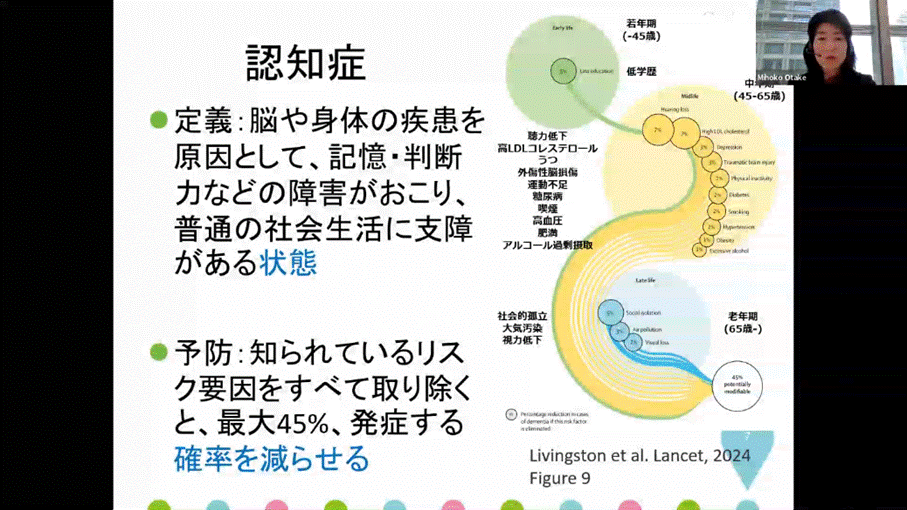
As for prevention, removing all known risk factors in youth, middle age, and old age can reduce the chance of developing the disease by up to 45%.The report was published in the medical journal The Lancet in 2017 and is still updated every three to four years. The figures are not definitive and are based on what is known from current research, and the ratios may change in the future as new research results and findings become available.
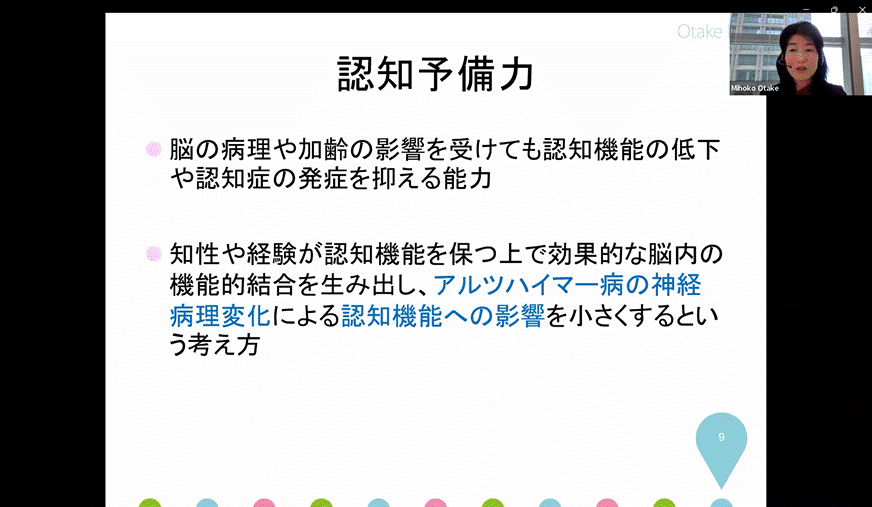
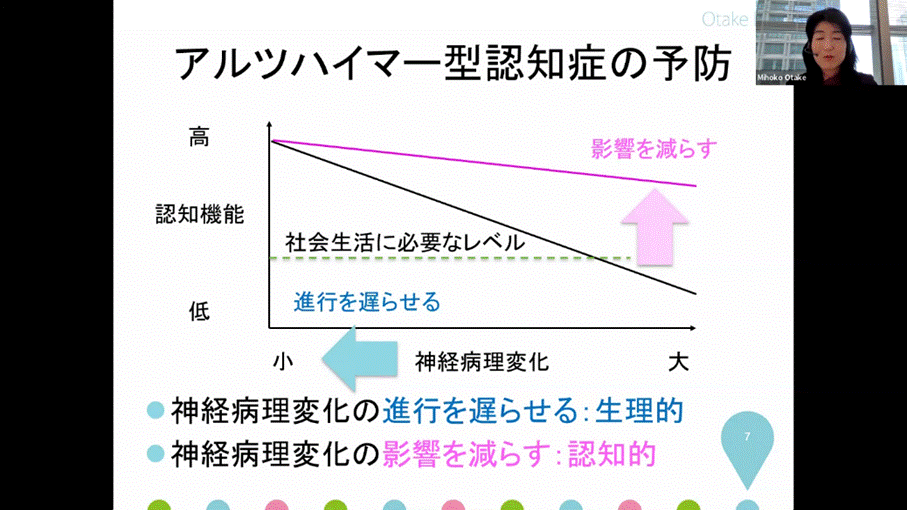
Two approaches to dementia prevention are known: one is the physiological approach, which slows the aging of the brain and body. The other is the cognitive approach, which is to prevent cognitive function from being affected even if the brain and body age. We are interested in the second cognitive approach and are studying it as our main research theme. Specifically, we are studying what we call cognitive reserve capacity. Cognitive reserve is the ability to prevent cognitive decline and the onset of dementia even when affected by brain pathology and aging. The idea is that intelligence and experience create connections in the brain that are effective in maintaining cognitive function and reduce the impact of Alzheimer’s disease pathological changes on cognitive function. (▲Picture 5▲)
Pathological changes caused by Alzheimer’s disease are the deterioration of cells in the body, resulting in cell death and brain atrophy. Even in such cases, it is known that people with lots of connections between the brain and the nerves within it have a smaller effect on cognitive function, even if the number of cells is reduced. This was revealed by a study called the “Nun Study. (▲Picture 6▲)
It is known that when cognitive tests were conducted on nuns in the U.S. and postmortem autopsies were done to examine the state of their brains, 8% of them showed no symptoms of dementia at all, even though their brains should have been atrophied and in the state of Alzheimer’s disease. In other words, there is not a one-to-one relationship between the ‘state of pathological change’ and the ‘occurrence of symptoms. Therefore, it is important to ask ‘why the disease does not develop even if pathological changes are present,’ and that is where the second step of prevention comes in.
It is said that there are about 70 different diseases that cause dementia, of which 70% are Alzheimer’s disease, 20% are cerebrovascular diseases, and the remaining 10% are various other diseases. So, when we think about controlling Alzheimer’s disease, there is first a physiological approach to slow the progression of neuropathological changes. Then, there is a cognitive approach to reduce or lessen the impact of the same neuropathological changes on cognitive function. (▲Picture 7▲)
Experiential Memory, Attention-Splitting Function, and Planning Ability
Maintain cognitive function with the “co-recall method” that utilizes all three.
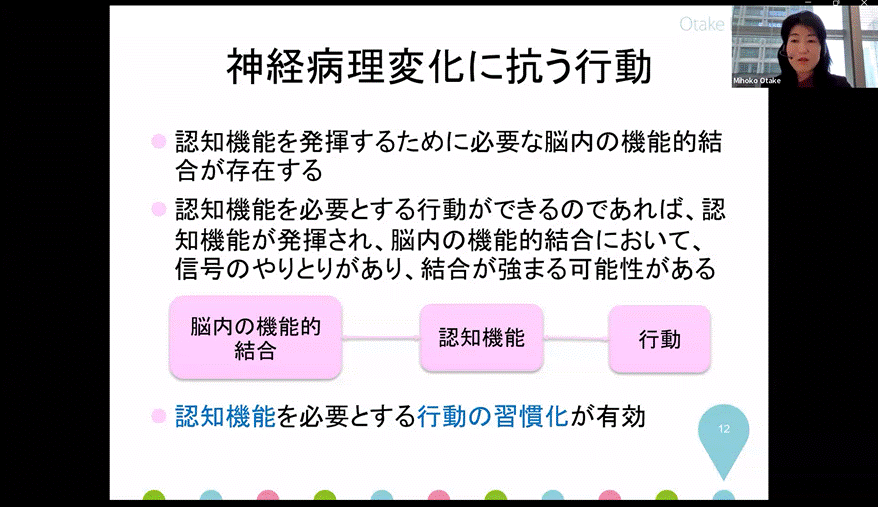
Let us consider what is meant by behavior that resists neuropathological change. It is thought that actions that require cognitive function will result in cognitive function, and that there will be signal exchange in the functional connections in the brain necessary for cognitive function, and that electrical signals will jump around in the network, potentially strengthening the connections. This will resist neuropathological changes. In other words, it is believed that it is effective to habituate behaviors that correspond to cognitive functions. (▲Picture 8▲)
Being able to do a certain thing means that the functions necessary to do a certain thing are now present, and being able to perform a certain function means that the brain connections necessary to perform that function must also be present, so in a sense we can say that we can ‘see’ inside the brain when we look at behavior.
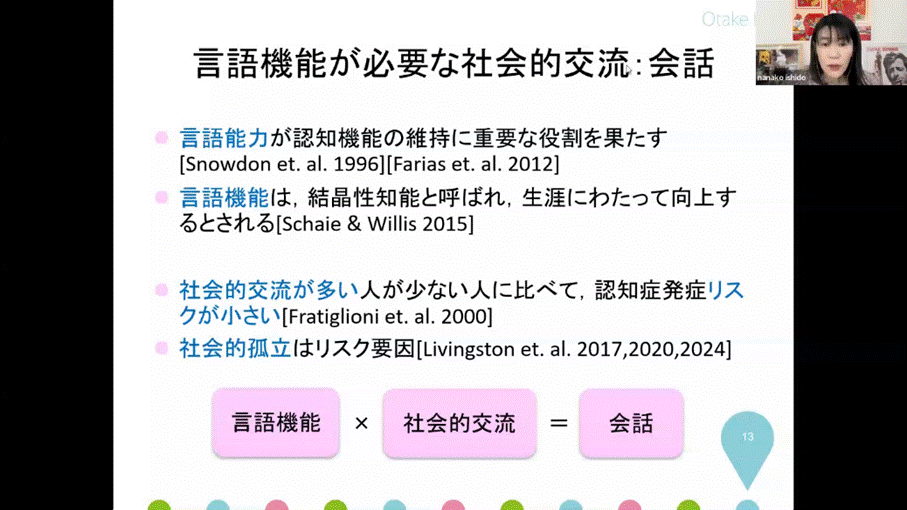
For example, one social interaction that requires language function is conversation, and it is known that language skills play an important role in maintaining cognitive function. This is also evident in the nun studies. When we looked at what kind of people had pathological changes but did not develop dementia, we found that they had high language ability. And language function, called crystalline intelligence, is believed to improve throughout life. And it is also known that people with more social interaction have a smaller risk of developing dementia than those with less social interaction, and social isolation is also a risk factor. (▲Picture 9▲)
Therefore, we thought that cognitive function could be maintained by using conversation, which uses language and is the basis of social interaction, as a means of intervention. We also thought that any kind of conversation would probably not be enough, and that conversations with properties that preserve cognitive function, that is, conversations that utilize cognitive function, could be used successfully to maintain cognitive function.
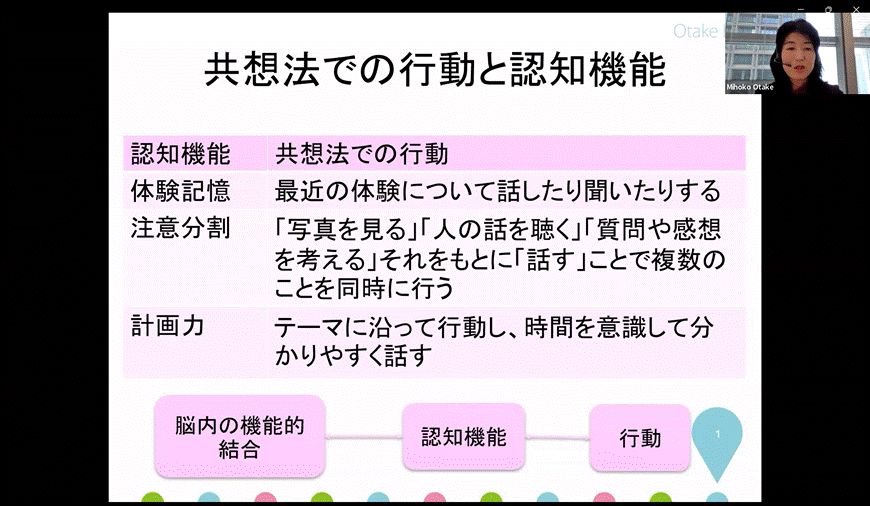
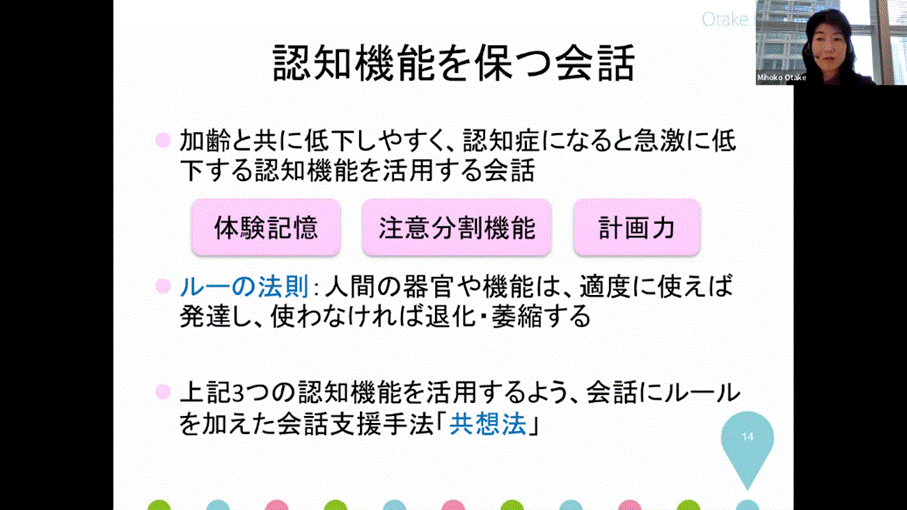
What cognitive functions are most likely to deteriorate? The first is memory of experiences. Next is the divided attention function, which directs attention to multiple things, and last is the ability to plan. According to “Roux’s Law” proposed by the German embryologist Wilhelm Roux, human organs and functions develop when used in moderation and degenerate or atrophy when not used. Therefore, we thought that by adding rules to our conversations that utilize these three cognitive functions that are prone to decline, we would be able to make full use of our cognitive functions. We devised a method to support such conversations and gave it the name “Kyoso Method. (Picture 10)
From the viewpoint of neurodiversity, these three functions are not used equally by everyone, but those who are good at or like to use them often use them, and those who are not good at them have others around them cover for them. For example, those who are good at planning make plans for others, while those who are not good at planning lead lifestyles that allow them to avoid making plans as much as possible, or have friends who are good at making plans make plans for them. However, it is the person who made the plan who used the cognitive function of planning ability. The accumulation of years of experience and use of the function comes into play in the end, in absolute value. Everyone has strengths and weaknesses, likes and dislikes, and as a result, these will become time-integrated, which means that not everyone will be able to maintain cognitive functions evenly.
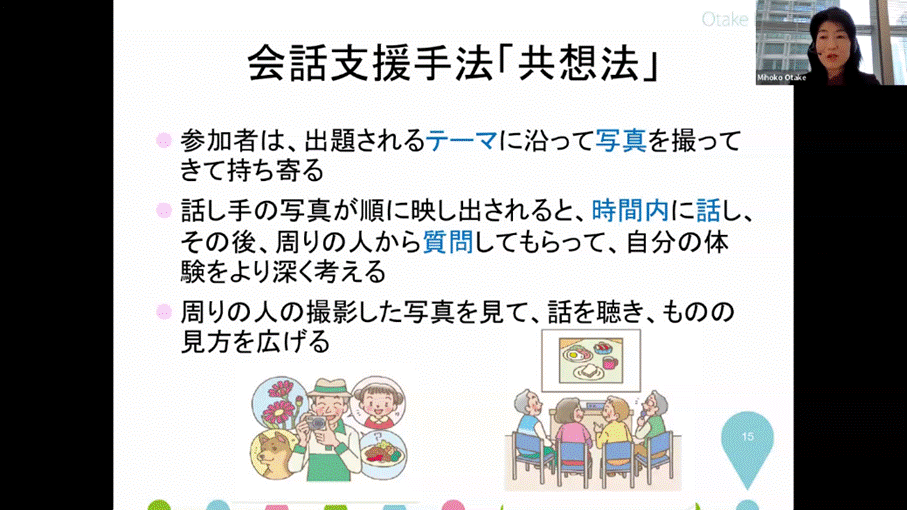
The “Conversation Support Method” is a conversation support technique that uses all three of these functions. Participants bring in pictures they have taken of the topic that will be presented. Then, when the speaker’s photo is projected, he or she speaks in time, and then the people around him or her ask him or her questions to think more deeply about his or her experience. The people around him or her will then see the photos he or she took, listen to his or her story, and expand his or her viewpoints and perspectives on things. The image is that when you use other people’s perspectives to trigger you to think about things you would not think about, your circuits, which are usually dormant, are awakened. (▲Picture 11▲)
By “BONO-chan” robot
What have we learned from the group conversation support system?
In this “co-recall” method, by talking and listening about a recent experience, you are doing several things at the same time: remembering the experience, looking at pictures, listening, asking questions, thinking, and talking. This is where you start to use the attention splitting function. Then you will use your planning skills where you act on a theme and speak clearly and with an awareness of time. By performing the three actions in this way, the three types of cognitive functions are utilized, and in turn, the functional connections in the brain necessary to perform the cognitive functions can be strengthened. (Picture 12)
Furthermore, as a technique to intervene in cognitive functions, we have created a group conversation support system that enables cognitive intervention based on the “Kyosei method. (▲Picture 13▲)
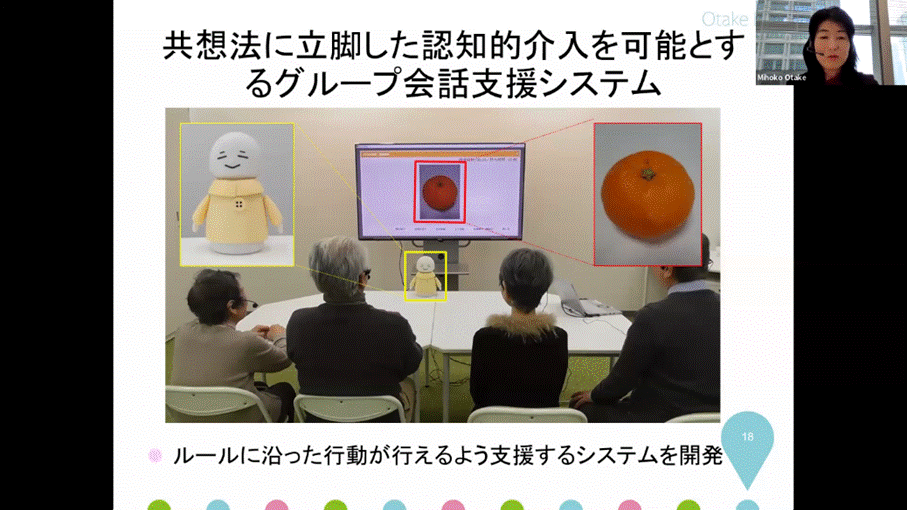
In this system, the robot “Bono-chan” facilitates group conversations. By using the robot, a single implementer can manage multiple small group conversations at the same time. The robot can also automatically point out when someone is not following the rules, stop those who are talking too much, and put the blame on someone who is talking too little.
The quality and quantity of services can be assured, to some extent, by humans with the help of robots. The name “Bono-chan” is derived from the word “heartwarming. It was intended to create an atmosphere in which participants can talk with each other without hesitation in a relaxed mood. We tried to give “Bono-chan” a slightly sleepy look and a demeanor that would make people say they have no choice but to summarize what they are talking about.
We named the cognitive intervention program using this program “PICMOR” and conducted a randomized controlled trial of a cognitive intervention program using photo-based conversation. In the randomized controlled trial, two groups were randomly selected, and one group was asked to participate in the “Kyoso Method” while the other group was asked to have a 30-minute chat with no specific theme, and the effects were compared. The results showed that those who participated in the “Co-reflection” session significantly improved their verbal fluency, i.e., their ability to retrieve words easily.
Specifically, we measured the number of words beginning with “ka” that could be said in one minute. The intervention group, who participated in the “Co-reflection” method, started out with an average of 11.8 “ka” words, while the control group, who chatted without any theme, had an average of 11.4. At the end of the session, those in the intervention group were able to say an average of 13.6 words, compared to 11.2 for the control group. This verbal fluency is said to drop dramatically with dementia, and sometimes people cannot remember words that begin with “ka” at all. In other words, we were able to raise the level of a function that may decline later in life.
We are also looking at what characteristics were present in the conversations of each group. The conversations of the intervention group had a high number of word types for words and a lot of vocabulary. Conversations in the control group of chats had a lot of repetition. The “co-imagination” method was also found to have a higher percentage of meaningful utterances as well as types of utterances. Furthermore, the effects on the brain were analyzed using MRI, which preliminarily confirmed the possibility of an increase in volume due to better connections between related brain regions.
If the functional connections in the brain that are necessary for cognitive functioning exist and the behavior is possible, then there is a possibility that cognitive function will be demonstrated and the connections will be strengthened in the functional connections. And in the mid- to long-term, the results suggest that the brain structure may change as a result of the strengthening of functional connectivity. (▲Picture 14▲)
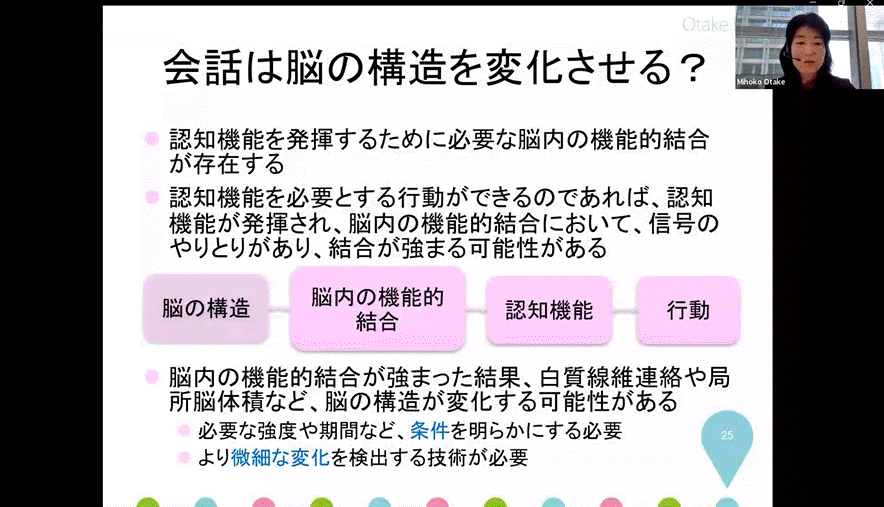
However, it is necessary to clarify conditions such as the intensity required, how often, how many conversations are needed, and how long it will take. It is also necessary to clarify the conditions under which the therapy is most effective. We also need technology to detect more subtle changes, and from this perspective, we are currently developing a method to examine this using electroencephalography.
Following the physiological and cognitive approaches
Importance of the third “social approach”
If we return to the point of view that “weren’t we originally trying to train the three original functions of experiential memory, attention division, and planning?” we can say that this verbal fluency is a cognitive function that combines all three of these original functions. (▲Picture 15▲)
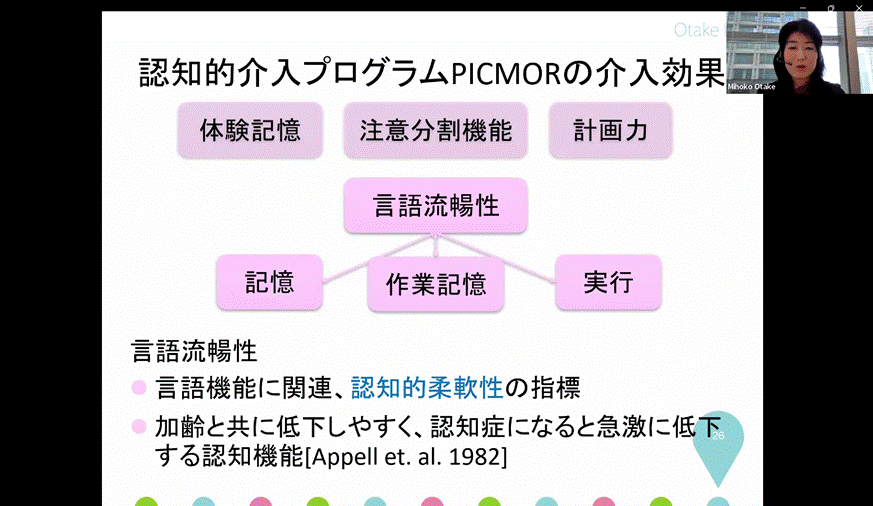
Memory, working memory, and executive function are the original areas of verbal fluency. While it is still difficult to accurately capture changes in these areas on their own, we can at least capture differences in verbal fluency, which integrates all three. Linguistic fluency is considered a measure of cognitive flexibility, and we have confirmed that it can raise the level of cognitive flexibility, or “softness of mind,” which tends to decline with dementia.
In the mid- to long-term, we need to look at the incidence of dementia in a few years or even 10 years, but first we have confirmed that there seems to be a positive effect in the short term.
This face-to-face system was created and tested before the Corona Disaster. Later, in the Corona Disaster from 2020, we created and tested a system to ask questions to an interactive robot at home. We have also created and tested a system that uses a smartphone to remotely converse with the robot. (▲Picture 16▲)
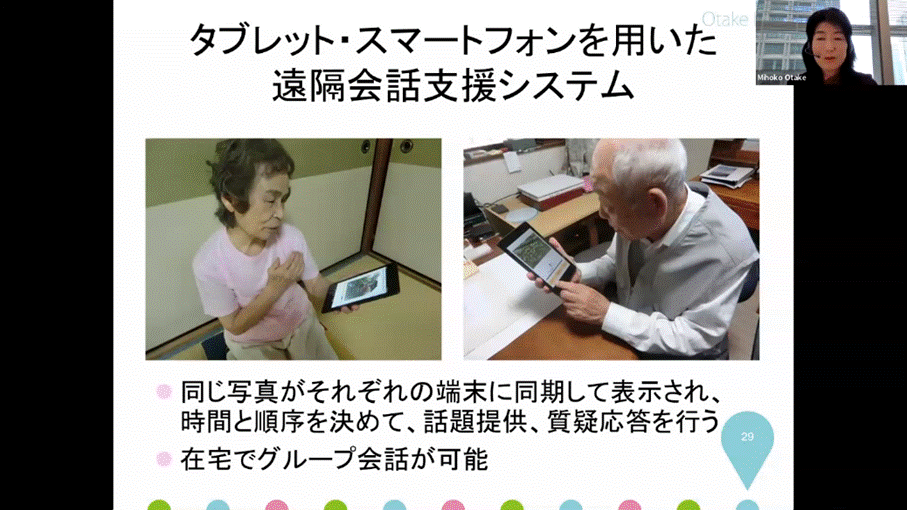
The remote conversation support system using tablets and smart phones allows “Kyosei Method” where the same pictures are displayed synchronously on each device. Since group conversations can be held at home, the system was introduced in the party study after the Corona Disaster. Since people who are unable to leave their homes or who live far away can also participate, we will continue to use this system after 2023, when the Corona disaster is over, and are currently holding regular monthly meetings. The dialogue support robot was tested with the cooperation of Wako City, Saitama Prefecture, and the remote conversation support system was tested with the cooperation of the local governments of Wako City, Saitama Prefecture, and Kishiwada City, Osaka Prefecture.
We are also working on the “Town Walking Kyoso” initiative to realize a society in which the brain lasts longer. We would like to continue this program in various areas in the future. We have found that people are interested in participating in this program, which leads to continued participation.
Continuing courses are held at the “Honobono Institute,” and people of multiple generations from all over the country participate, such as an 80-year-old who continued to participate for 14 years until he reached 94 years of age. In addition, we also conduct collaborative projects with nursing care facilities, and once a year we hold a joint training session where participants gather to discuss their knowledge and experience. Collaboration with these facilities is the starting point for our collaboration with local governments. We started with the cooperation of local governments for randomized controlled trials, but in the future we plan to conduct research together on how to make this service take root in the entire community.
In addition, while conducting research, I realized the issue that knowledge of dementia prevention is still not widespread at all, so I am also working on creating an official line, sending out information on Instagram, and distributing videos on YouTube, etc. Please register if you would like to be a part of this project. (▲Picture 17▲)
◆LINE: [Conversations That Keep the Brain Healthy] Mihoko Otake Official Account https://lin.ee/7zAfQl2Q
◆Instagram: [@brain.robot] Mihoko Otake | Brain Longevity Expert https://www.instagram.com/brain.robot/
◆YouTube: [Brain Longevity] NPO Honobono Research Institute https://www.youtube.com/@brain.fonobono
In the course of these activities, we have recently decided to publish a book titled “Conversations that Last Longer for the Brain. In particular, based on the “Conversation Method,” the book specifically lists what kind of conversations you should have to utilize your brain in daily conversation and what kind of lifestyle habits you should have to make your brain last longer, and I hope that you will try to incorporate even one of these into your daily life.
I have written up to two approaches to preventing brain dementia in this book, but I believe there may actually be a third. I plan to write a third one when I write a book in the future. Following the two approaches, the physiological approach to slow aging and the cognitive approach to slow cognitive decline, the third is the social approach. This approach is to improve social skills and the social environment so that cognitive decline is not a problem.
This is said to be symbiosis in prevention and symbiosis. By definition, dementia refers to a condition that interferes with social life, so even if cognitive function declines, if it does not interfere with social life, then by definition it is not called dementia. People often ask me if a dementia-free society means ‘eliminating people with dementia,’ but that is not true. If they are not suffering from dementia in the first place, then they are outside the strict definition of dementia, so if we can prepare a system in which people are not troubled by a slight decline in cognitive function, we can of course reduce the number of people with the causative disease, and even if there are people with the causative disease and their cognitive function has declined, the situation will not be so troublesome. If we can provide a system where people do not have to worry about cognitive decline, we can of course reduce the number of people who have the causative disease. I believe that if we all engage in brain-lengthening conversations, we can create a society that is less prone to dementia.
Diversity, strengths and weaknesses, and the “bumps and bruises” of individuals
We aim to realize a “heartwarming society” by mutually recognizing each other’s diversity, strengths, and weaknesses.
Following Mr. Otake’s explanation of his research, Nanako Ishido (▲Photo 18▲), Director of B Lab, asked about the relationship between various individual characteristics and dementia from the perspective of neurodiversity.
Ishido: Thank you very much. This was a very thought-provoking talk and I learned a lot. I was also surprised to read “Conversations that Last Longer in the Brain,” as I found many of them surprising. Please let me ask you a few questions based on them.
The last story you mentioned is the same as the discussion in the context of neurodiversity. In other words, the point that dementia is not strictly defined as dementia if it is not socially troubling is similar to the discussion that even if a person has strong characteristics of developmental disability, he or she will not be diagnosed with developmental disability if he or she is not socially troubled. The approach in neurodiversity is also the same as the approach in neurodiversity, which is to make dementia less of a dementia by improving the social environment and increasing the number of people on whom people can rely. You mentioned the importance of preventing cognitive decline, but if we work on that, cognitive function can also improve.
Dr. Otake: In terms of language fluency, the intervention has improved cognitive function. However, for other things, it is not so easy to improve. We need to show the difference in evaluation methods, such as longer intervention time, and the fact that those who do not do anything will show a decline, while those who do are more moderate in their decline. By doing so, we believe there is a possibility that the three functions we are currently focusing on will also differ in the future.
Basically, it is said that the speed that goes down should be slowed down, and since it is said that language ability also increases, we should raise what can go up, and intervene to raise the speed for the kinds of functions that have room for growth, while processing speed, such as calculation speed, unfortunately goes down, since it is said that it is caused by changes in the physiological state, It is considered effective to delay aging as much as possible by using a physiological approach for those that decline.
Ishido: Neurodiversity is working on all people, considering that each person’s brain and nerves are diverse, and this concept initially started as a rights movement for people with developmental disabilities. Earlier you used the expression ‘the ability to consciously control one’s own condition’. For example, it is said that ADHD sufferers often forget things because their awareness shifts to other things. Is there a relationship between the ability to control this and the onset of dementia?
Dr. Otake: Statistics have not yet been compiled to show that people with ADHD are more or less likely to develop dementia. However, it is known that people with depression have twice the risk of dementia, and I think that ADHD is a characteristic that makes it difficult to control consciousness well, and that consciousness shifts, and the best way to deal with this is to decide where to put things, or to set rules and decide that you will always put things there. If you impose a rule on yourself not to place things on a whim, you will be able to reduce the number of mistakes you make, even if you have ADHD tendencies.
In terms of awareness, it is thought that this can be covered to some extent by the power of will to make rules or to do this only because it will reduce one’s mistakes. Even people with dementia are not totally unable to remember, and just as they can remember if they repeat things patiently, it is important to try persistently until they can remember. The other thing is that you can memorize something as long as you can see it. Even if you can’t remember someone’s name, if everyone wears a nametag, you will always see it. Even if you don’t know the name, you can recognize it when you see it.
It is said that people with dementia still come to their senses, and even on a healthy day, for example, they may become progressively worse as they become tired and less alert in the evening. It is important to ride the wave of consciousness well, because in the morning, while you are still energetic, you are often able to maintain consciousness. For example, it is known as a work how-to that it is better to do difficult tasks in the morning when you can concentrate, but even the same person may or may not be in good condition throughout the day. It is important to set up methods and rules according to their characteristics, such as not doing difficult things in the evening, and to recognize and practice these methods and rules with both themselves and others. It is thought that by trying to manage to try until they can remember to do that, the impact on their social life can be minimized. I think this is true for both dementia and ADHD.
Ishido: I see. In your talk about relaxing brain waves, which you exhibited in “Brain World for Everyone,” I think it is important to control one’s consciousness to relax in order to maintain one’s wellbeing.
Dr. Otake: I think that is true. I used to do aikido when I was in college, and I became able to inhale and exhale consciously, whereas I inhale and exhale unconsciously. I think breathing is an interesting subject that can switch between conscious and unconscious.
Also, if you exhale strongly, you can relax a lot, so be aware of whether your breathing is shallow and see what kind of breathing you are doing now, and when you notice that your breathing is shallow and not relaxing now, try to exhale deeper or longer, and so on. By controlling your physiological state with the power of your consciousness, you can bring yourself closer to a state of relaxation. Then you can create a state of being in a momentary daze without the help of the breath, or conversely, you can regain your concentration in the moment, etc. I think that is where practice comes in.
Ishido: I see. Thank you very much. There are many more questions I would like to ask you, but since my time is up, I would like to conclude with a message toward the realization of a neuro-diverse society.
Dr. Otake: I became interested in memory loss because I have been forgetting things since I was a child, and I wondered what it meant to forget things. From there, I wondered what I could do to prevent people with dementia from forgetting so much that they cannot return to their homes, and that is how this research began.
I believe that every person has diversity, characteristics, and “bumps” in their strengths and weaknesses, but if everyone knows each other’s bumps in such a situation, knows themselves and to some extent the other person, then they will be able to objectively see that they have bumps. And we hope that everyone will be able to live comfortably without conflict.
As people come to understand themselves, it is thought that perhaps fewer people will suffer from dementia, and fewer people will find it difficult to live with bumps and bruises. We are striving to realize such a “Hobo society,” where everyone can live comfortably and in a good mood, both on their own and with others.
The Neurodiversity Project is a very interesting project, and although I enjoyed watching other people’s stories, I frankly thought that it would be great if we could all work together to make a better society. I really appreciate Mr. Ishido for promoting this initiative.
Ishido: Thank you very much. I too will do my best to realize a society where everyone can be in a good mood.